“This feels illegal.”“Your next $7K a month.”“A seven-figure business that runs while you sleep.”
Apparently, financial independence now requires commenting “AGENT” under a man pointing at a browser window and waiting for a DM.
 Human API.
Get the Workshop
The Ask B! Newsletter · Free preview · Applied AI. Intuitive leadership. Hot takes.
Just because AI can do something does not mean AI should do it.

Apparently, financial independence now requires commenting “AGENT” under a man pointing at a browser window and waiting for a DM.
Watch the video
wealth_kyle_88 · 2h
AGENT
mindset.mike · 2h
AGENT
rich_by_q3 · 2h
AGENT please king
Dana in Ops · 1h · 0 replies
What does it do?
Agent Daddy · just now
Sent! Check your DMs.


So, some disclosure, since that seems to be rare now.
Did I write this? Yes.
Did I use AI to clean it up and make it pretty? Yes.
Did I use AI to help automate this post? Yes.
Did I use Microsoft 365 and Claude to make that happen? Yes.
I brought the ideas and the experience. AI helped organize them, edit them and move the work through the systems. I reviewed everything that carried my name, and the judgment and the responsibility stayed with me. It’s useful technology, and it didn’t take any forbidden knowledge.
The ideas, the experience, the review, the judgment and the responsibility.

Holds the original note.

Moves the work between systems.

Drafts, edits and builds the visuals.
Keeps drafts, sources and status.


Bring me the approvals.

Holds copy edits and feedback.
Holds knowledge and brand context.


Handle design and video.


Schedule the post.
Automation pushes it forwardThe idea starts with a person.
Saved with the note
The original idea stays with the work.
Collects new notes.
When the automation picks up work
Knowledge + brand context
Turn notes into drafts.
Voice, sources, output format
Drafts, source links, versions
Sends the review requestNot selected? It stays in SharePoint.
Deliver the review request
Opens the editing task, with sourcesCopy edits and feedback
Edit the selected content.
Marked ready, opens the creative taskProduce the content and assets.
Design and video
Assets attached, requests final approvalNeeds changes? Back to Brand & Editorial.
Deliver the approval request
Sends approved copy, assets and dateHolds the post until the date.
Saves schedule and status
What worked goes back into the RSS fileIllustrative workflow. Marks belong to their respective owners.
Want a map like this for your own work?
Work with usI’m actually inspired by what AI can do. These people annoy me, because I’ve seen what they leave behind. My clients get trapped. Companies and enterprises get trapped. I’ve watched it firsthand and secondhand throughout my whole career. There’s a real opportunity in front of us, and it’s getting buried under the same old machine: manufacture the insecurity, promise the escape, sell the access.

You’re overwhelmed? Buy another tool. Your team can’t move without you? Install an agent. Your business depends on you remembering everything? Now you also get to remember which automation broke.
Congratulations, you’ve become technical support for your own free time.
You · 6:42 PM
The agent that was going to give me my evenings back has stopped running.
You, support · 6:43 PM
Have you tried turning it off and on again?
You · 6:51 PM
Yes. Now Agent 14 can’t find Agent 9.
Automated reply · 6:51 PM
Thanks for your patience. This ticket has been escalated to: you.
And before anyone in nicer shoes gets comfortable, the enterprise version is the same thing with a steering committee. The language is more respectable and the slides are better. The mistake is the same: buy the capability before you understand the work, show a lot of activity, and let the people doing the job absorb whatever happens next.


Somebody still has to supply the context, reconcile the systems, check the output, handle the exceptions, and explain what happened when it goes wrong. That’s work, and it goes in the math. A faster first draft tells you almost nothing about whether the whole job got better.
Meanwhile, the problems people need solved are sitting in plain sight. A leader approves everything because nobody ever established who else can. A team retypes information between two systems that were bought to stop the retyping. A customer tells their story for the third time because each department holds a different piece of it. At home, the appointment happens because you remembered it. At work, the project moves because you chased it.


This isn’t only a founder’s problem or an executive’s problem. The small business owner, the team lead, the CEO and the person keeping a household running would all recognize it. Every tool connects to something. Every connection runs through someone.
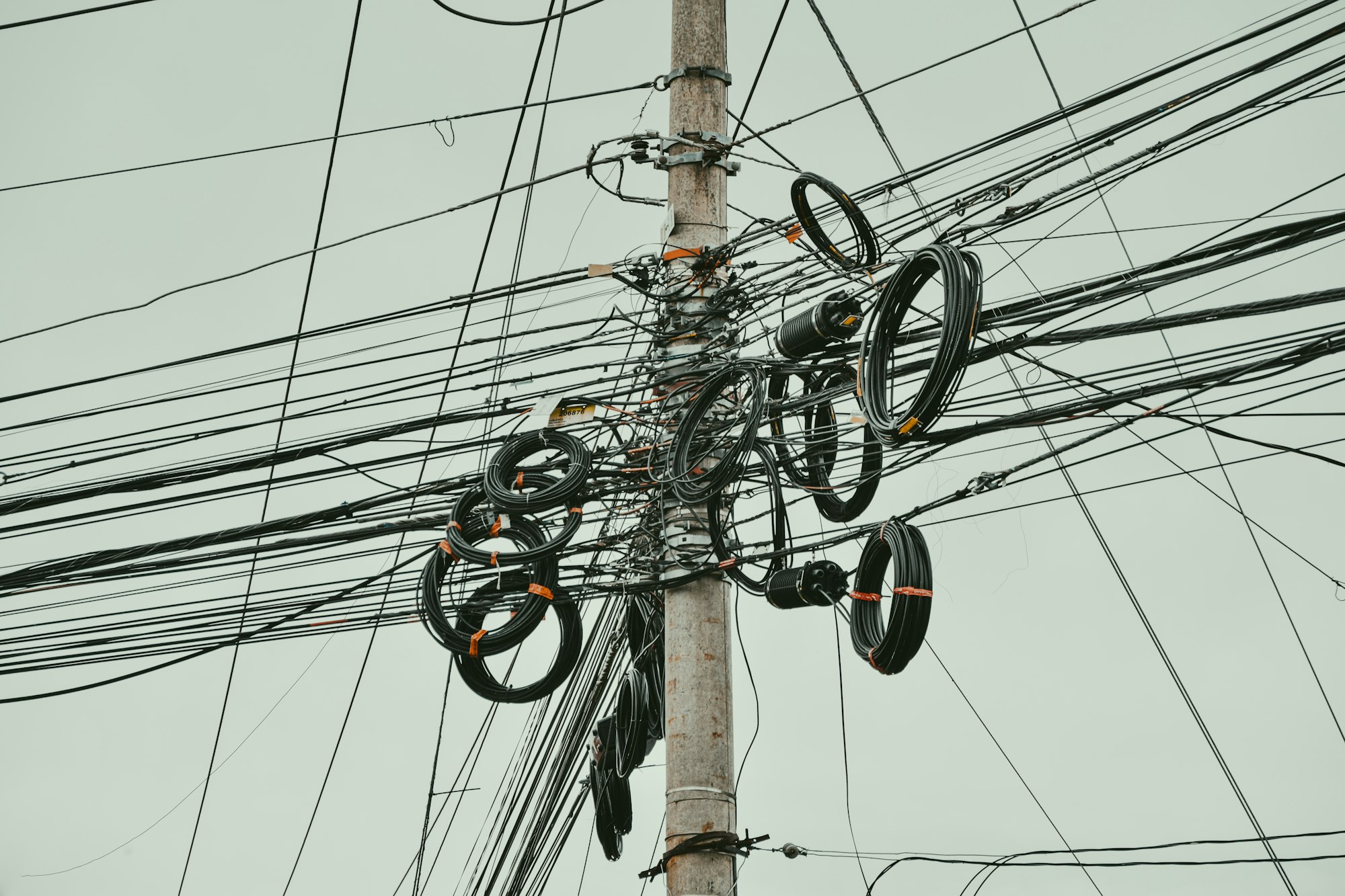
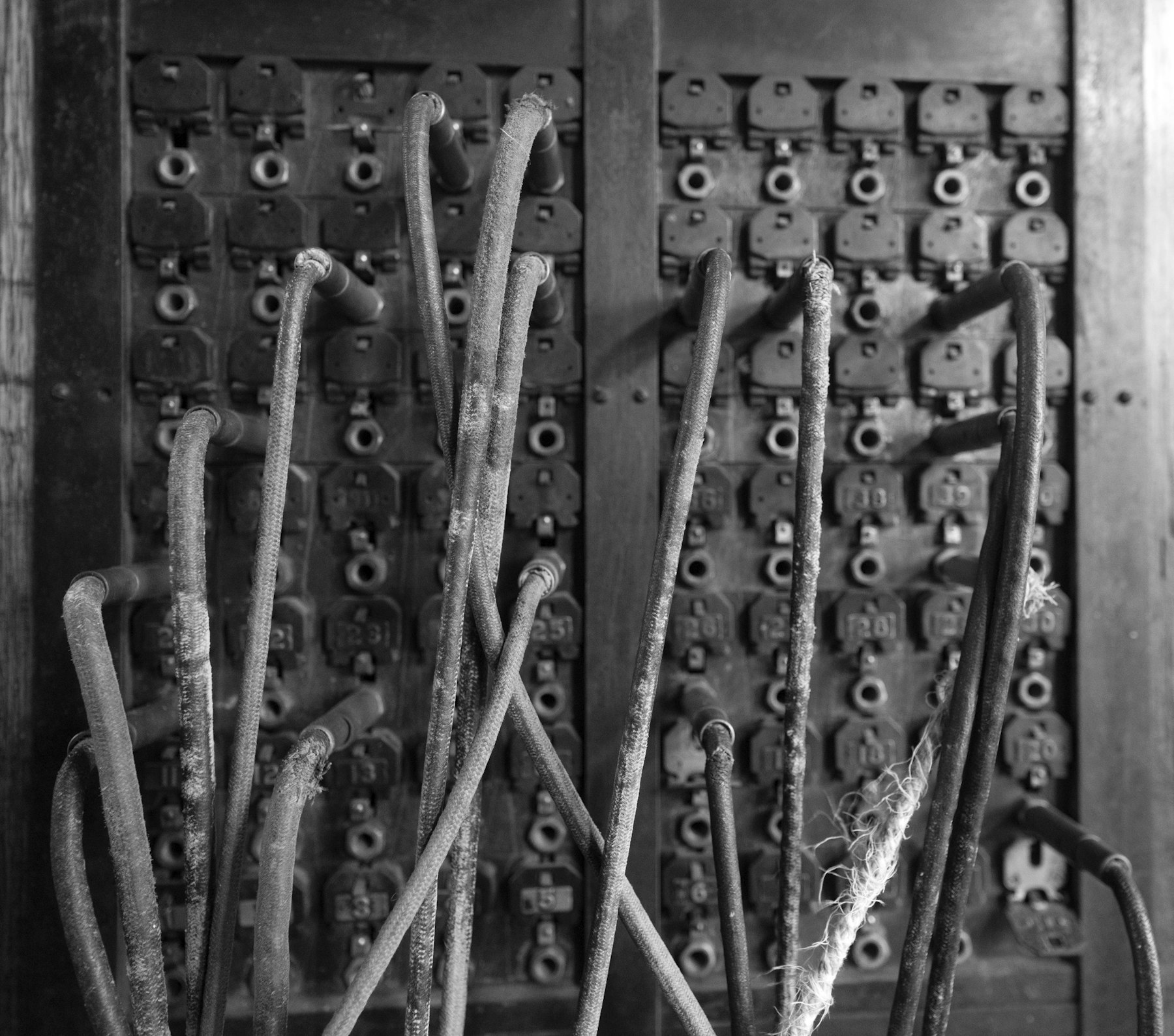
Being the connection between everything costs something. You pay in interrupted attention, decisions that wait on you, evenings spent catching up, and the ideas you no longer have the energy to chase. Smarter tools don’t automatically take any weight off the person holding them together. We have to design for that.

That’s why we built Human API. We help you decide what deserves your attention and build the support to carry the rest.
We start with the human: what you’re carrying, what needs your judgment, and what you want room to do. Then we find out whether the support helped.

Human development, business systems and applied AI sit together here because that’s how you live them. When your confidence is low, you don’t let go of the work. When nobody knows who owns something, people do it twice. When your instructions are bad, AI gives you bad output at an impressive speed.
So decide what the work needs, then choose the tool. Our method for that is P.R.A.C.T.I.C.A.L.: nine activities and three moves, worked on one real situation.

Agree what’s happening and why.
Decide how the work should happen.
Test in real work and learn from the evidence.
That last move takes some honesty.
An hour saved in production followed by two hours of corrections leaves you an hour behind. Calling it “AI-powered” won’t improve the subtraction. And if the work just landed on a colleague who was already overloaded, that counts too. Otherwise we’re congratulating one department for moving its problem down the hall.
AI is one possible answer, never an automatic requirement. Sometimes the useful change is automation. Sometimes it’s a clear decision, a shared record, or giving authority to the person who already knows what to do. Sometimes the breakthrough is admitting nobody needs the report.
A forecast is not a result. Compare the same work at the same standard. Count the whole effort after the change, including setup, checking, corrections and upkeep. Then see where the room went: a better decision, thoughtful work, a customer, a relationship, or rest.
What might become possible. A forecast with assumptions that still need testing.
Comparable effort before, minus the total effort after.
Where the room went.
Illustrative example.
Then comes the question I wish this industry asked more often.




A business that can grow without every decision coming back to you. A team with room to develop. Time to learn, to think, to go after something ambitious. An evening when the people you love get more than whatever’s left of you.
Those are all good answers, and the choice is yours. You don’t owe the productivity industry every minute you get back.
AI gives us a real chance to expand what people can do and the lives they have room to live. Taking that seriously requires practical methods, accountable decisions, and evidence that’s still there after the demo ends.
That’s the work we built Human API to do.
Hold us to it.
Human API.
One human. More capacity.
Brandon White

Work with us
We may help you build something ambitious. We may help you learn enough to build it yourself. We may help you make a decision, align a team or change how you lead.
Want to lead this yourself? Facilitator certification ↗