 HUMAN API
WORKING WITH HUMAN API
Bring Human API
into the room.
Start with a situation, a decision or a capability you want to develop. Then choose the support that fits.
For a business, a team, an organization—or a person carrying the next decision. Every engagement connects human judgment, practical systems and applied AI around a clear purpose.

AN INTRODUCTION TO WORKING TOGETHER
What would useful support
look like here?
An illustrated guide to the work, the relationship, and what you leave with.
8 minutes, 18 seconds · 10 chapters
Read the full transcript
Working with Human API
There comes a point when you know something could work differently.
You may have a clear idea of what you want to change.
Or you may only know that too much depends on you remembering, explaining, and finding a way through.
Sometimes, the business has grown. Sometimes, your responsibilities have changed. Sometimes, you can see an opportunity, but you haven't yet worked out how to make room for it.
Wherever you begin, there is a question worth asking.
What would useful support look like here?
At Human API, that is where the conversation starts.
With your circumstances. Your ambitions. The people involved. And the work you want to move forward.
Imagine you run a small business.
You know your customers. You know what a good day feels like. You have built something people rely on.
An appointment comes through one place. A customer asks a question somewhere else. An invoice needs updating. Tomorrow's schedule is still in your head.
You have tools for all of these things.
A calendar. An inbox. A payment system. A place to keep your records.
But you are still making the connections.
We would begin by looking at one part of the day with you. How a request arrives. What needs to be known. Who responds. What happens when the plan changes.
Perhaps the first improvement is a clearer way to collect information. Perhaps it is a reminder that happens automatically, or a shared process someone else can follow.
Where AI might help, we would identify a specific job and establish how its work will be checked.
The work could become a focused advisory session or a small implementation, with the scope agreed before it begins.
You should know what will change, what you need to contribute, and what you will be able to use afterward.
Now imagine a larger organization.
Sales knows what the customer was promised. The delivery team knows what is possible. Finance knows what has been agreed commercially.
Each has a part of the picture.
A change enters the conversation. One team updates its records. Another continues with the earlier version. Someone notices the difference and starts bringing everyone back together.
Here, the work may need several people in the room.
We help them describe what happens from their own perspective, then examine the connections together.
Where is the information maintained? Who can approve a change? What does the next team need before it can act?
A business system workshop creates space to work through those questions. Executive alignment may be needed when the decisions cross teams, priorities, or responsibilities.
The outcome could be an agreed process, clearer decision rights, and a defined change to test.
If that change needs building, implementation becomes its own piece of work, with agreed requirements and a way to decide whether it is ready.
The conversation becomes something people can carry into the working day.
An organization may begin somewhere else.
Its members are asking about AI.
Some are already experimenting. Others are unsure where to begin. They work in different organizations, with different resources and different levels of confidence.
A useful learning experience needs to meet them there.
We can work with the organization to shape training around the questions its members are actually asking.
What could this help me do? What information should I use? How do I recognize a result that needs correcting? Where does my judgment still matter?
A talk can introduce a way of thinking. Training can give people room to practise. A workshop can help them apply that learning to a situation of their own.
The format follows what people need to understand and do afterward.
An experienced manager and a first-time business owner may use different tools. They both need an explanation they can relate to their own work.
And sometimes, the work begins with one person.
You may be leading a team through a change. Taking on a new responsibility. Making a decision that affects other people.
There are options, expectations, and competing demands. You need somewhere to examine them carefully.
A focused working session can help with a particular decision. An advisory relationship can provide a regular place to review progress and work through what comes next.
Private coaching gives sustained attention to how you lead, decide, communicate, and carry responsibility.
The focus is agreed with you.
It might be a conversation you need to have. A responsibility you need to share. A way of making decisions you want to develop.
You bring your experience and judgment. We help create the conditions to examine them, practise, and move forward with greater clarity.
These situations ask for different kinds of support.
That is why we take time to understand the work before choosing the engagement.
We ask what is happening now. What you have already tried. What is worth preserving. What needs to become possible.
We listen to the people involved and look at the information available.
Then we agree the work in writing.
Who will participate. What you will prepare. What we will do together. What you will receive. And how we will review the result.
You should be able to picture the engagement before it starts.
Your existing tools are part of that picture.
For one business, work lives in Microsoft 365, a bookkeeping system, and a calendar.
For another, it moves between a customer platform, shared documents, and conversations across departments.
A team might plan in Miro, manage customer relationships in HubSpot or Salesforce, and communicate through Teams.
A small-business owner might create in Canva, take bookings online, and accept payments through Square or Stripe.
We begin by understanding what those tools do for you today.
What information they hold. Who uses them. Where the same task is repeated. Where a connection would help.
An improvement might involve using an existing feature more effectively, changing a shared practice, or building an integration where the systems and permissions allow it.
If a different tool is needed, the reason should be clear.
You should understand what it adds, what it costs, and what it will take to maintain.
AI belongs in that practical conversation.
It may help prepare a draft, organize information, or find relevant material in approved sources.
For each use, we define the task, the information it can use, and the boundaries around its actions.
We establish where a person reviews the result and what should happen when something is missing or uncertain.
Then we test it against the work it is meant to support.
A convincing demonstration is a beginning. People still need to understand how to use it, recognize a problem, and know where to go for help.
Learning is part of making the change work.
What you leave with depends on why you came.
For the business owner, it could be a working process and the confidence to share it.
For the team, a clearer agreement about information, decisions, and responsibility.
For the organization, a learning experience that helps members apply new ideas to their own circumstances.
For the leader, a considered next step and a way to review what happens after taking it.
Implementation includes the agreed testing and handover. Training includes opportunities to practise. Advisory and coaching return to the priorities established together.
Where follow-through is needed, we agree what it includes and who is responsible.
The work should remain useful after the session ends.
There is also a way to begin independently.
The Human API Workshop gives you the teaching and working materials to learn the method and apply it to a situation of your own.
You can start there, or work directly with us when you need facilitation, guidance, development, or implementation.
You do not need to arrive knowing which service to choose.
Bring the situation you want to improve.
The opportunity you want to explore.
The decision you need to make.
Tell us what is happening, and what you would like to become possible.
We will help you work out where to begin.
Human API.
One human. More capacity.
SIX WAYS TO WORK TOGETHER
Start where
you are.
Choose a useful starting point. Every engagement is scoped in writing, with a clear purpose, participants, deliverables and fee.

Teams & shared systems
Business system workshops
A recurring problem or shared opportunity
Bring the people and evidence together. Leave with an agreed situation, a better process and a bounded test.
Tailored workshop from $10,000
Full team cycle from $17,500
Businesses & teams
Applied AI and automation implementation
The design is agreed and needs building
Configure and test the workflows, integrations and AI tasks already defined. Leave with acceptance tests, human review and a handover.
Scoped implementation
Fee by proposal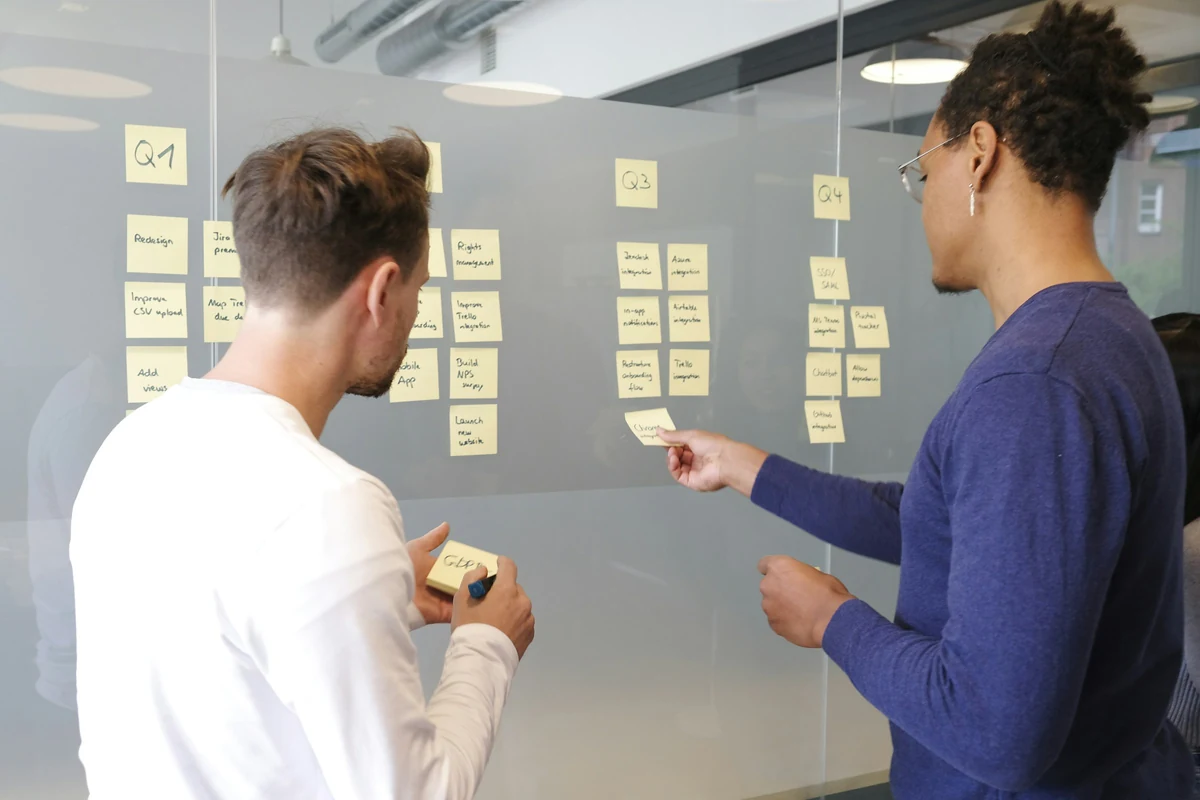
Teams, members & audiences
Training & facilitation
A capability to develop or a room to address
Give people a useful way to understand the change and practise on real situations, with resources and reuse agreed in the scope.
Training from $25,000 · labs from $6,500
Speaking from $5,000For several departments or repeated improvement cycles, explore an ongoing organization program with local facilitators, shared-system owners and coordinated reviews.
Not sure which fits? Describe the situation ↗Scope, dates and the final fee are confirmed before work begins.
HOW WE BEGIN
A conversation.
Then a clear scope.
We listen first, preserve what is working, and agree on the support the situation needs.
- 01
Bring the context.
The situation, opportunity or decision. You do not need a finished brief.
- 02
Find the useful work.
Clarify the purpose, the people involved and what a good result would look like.
- 03
Agree it in writing.
Preparation, scope, deliverables, owners, follow-through and fee.
Prefer to work through it independently?
Explore the Workshop Complete materials · $1,495 launch price↗ONE HUMAN. MORE CAPACITY.
Bring the real situation.
A decision, a bottleneck, an opportunity. We will help you find a useful place to begin.
Start a conversationWORK DIRECTLY WITH BRANDON
A personal engagement.
For advisory, leadership strategy or speaking with Brandon White, explore brw.fyi →. Human API is home to the method, Workshop, training and implementation.
Get the prospectus.
Explore our workshops, services, and ways to work together. Request a copy and we’ll be in touch.